
Cardiac cardiac rehabilitation is one of the treatments most frequently recommended by international guidelines for people who have had a heart attack, a bypass surgery or a diagnosis of heart failure. Despite this, in Italy Fewer than one in three patients among those for whom it is indicated actually follows it.
Understanding what this journey entails, how it’s structured, and why it’s so important can be the first step toward making sure it doesn’t get pushed aside as something to put off.
What Is Cardiac Rehabilitation?
Cardiac rehabilitation is a medical treatment for patients with heart conditions, typically following surgery or a heart attack. It is a structured program that combines physical, educational, and psychological aspects, with the goal of helping the individual regain their independence and, whenever possible, return to a full social and professional life.
The guidelines of the European Society of Cardiology and the American scientific societies classify it with the highest level of recommendation for a medical treatment—the same level reserved for medications with the strongest scientific evidence.
The stages of the process
The rehabilitation process is traditionally divided into three phases, each with a different goal.
The first phase coincides with the hospital admission, immediately following the acute episode. At this stage, the team’s efforts are focused on stabilizing the patient’s vital signs, promoting early and gradual mobilization, and providing initial nursing and psychological support to both the patient and their caregivers.
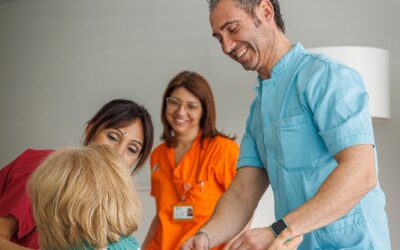
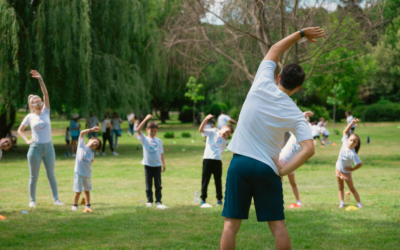
The second phase is the rehabilitation phase proper and takes place— depending on the patient’s clinical condition— in an outpatient clinic, a day hospital, or as an inpatient, under the supervision of a multidisciplinary team that may include a physiatrist, physical therapist, and other healthcare professionals. This is where the actual physical exercise comes in: aerobic activity on stationary bikes and treadmills, breathing exercises, and muscle stretching—all performed in measured and progressive increments. International guidelines recommend approximately 150 minutes per week of moderate-intensity aerobic activity, generally spread over several sessions. It is precisely during this phase that studies report the most measurable benefits: an estimated reduction in cardiovascular mortality of between 20 and 26% compared to patients who do not follow a rehabilitation program, a decrease in rehospitalizations due to acute events, improved exercise tolerance, and better control of key risk factors, ranging from blood pressure to cholesterol, blood glucose, and body weight.
The third phase is that of long-term maintenance: physical activity and the habits acquired throughout the program must become part of a stable lifestyle, often continued at home, in some cases with the support of telemedicine. The national guidelines devote considerable attention to educational and behavioral interventions regarding diet, physical activity, and habits such as smoking, with the goal of working together with the care team to establish a lifestyle that the patient can maintain in their daily life.
Not Just Physical Activity: The Psychological Aspect
A major cardiac event, such as a heart attack, leaves more than just physical scars. Anxiety and depressive symptoms are common in the months that follow and can, in turn, worsen the cardiovascular prognosis: the link between mental health and heart health is bidirectional, which is why cardiac rehabilitation includes, from the very beginning, educational and psychological support, in addition to physical therapy. Helping patients understand their condition, manage their fear of a new episode, and regain confidence in their bodies is just as much a part of the process as the exercises in the gym.
Why It Remains an Underutilized Route
If the benefits are so well documented, it’s natural to wonder how it is possible that so few patients in Italy are following this treatment path. The National guidelines on cardiac rehabilitation and secondary prevention of cardiovascular diseases, developed by the IstitutoSuperiore di Sanità in collaboration with the Agencyfor Regional Health Services and the leading Italian scientific societies in cardiology, devote an entire chapter to this topic, identifying three types of barriers.
First and foremost, there are cultural barriers: the training and continuing education of healthcare personnel remain heavily focused on managing the acute phase of the disease, while scientific literature tends to emphasize the effectiveness of immediate interventions (surgical procedures and drug therapies) at the expense of the less visible but equally robust effectiveness of long-term preventive measures such as rehabilitation.
Then there are organizational obstacles: Those who care for the patient immediately after the acute event tend to recommend follow-up plans focused on a single specialty, without implementing the integrated set of interventions (physical, educational, psychological) that cardiac rehabilitation entails. Added to this is a structural shortage of dedicated centers in the region, along with the costs and complexity of coordinating a multidisciplinary team.
Finally, there are financial barriers: the healthcare reimbursement system tends to prioritize high-intensity care interventions during the acute phase, relegating to the background a care pathway that, while offering very favorable long-term cost-effectiveness, requires continuity.
The same guidelines propose several countermeasures: disseminating the recommendations to all relevant healthcare professionals, thereby increasing patients’ ability to recognize and request this care pathway; address the shortage of dedicated services and introduce mechanisms that reward the continuous care of chronic patients, rather than merely managing acute episodes.
The Journey to Santabarbara Hospital
At Santabarbara Hospital, cardiac rehabilitation is provided by a dedicated team led by Dr. Giuseppe La Rosa as head of the unit, along with Dr. Calogero Zirafi as the primary physical therapist. The proposed activities include breathing exercises, physical activity on stationary bikes and treadmills, and muscle stretching, but the team also includes other professionals such as a psychologist, a social worker, and a speech-language pathologist, confirming that the treatment plan is not limited to the physical aspect but also addresses the patient’s psychological and social needs.